
Closing the Deliberative Cycles: When Participation Becomes Action

One of the greatest challenges of citizen participation is that, too often, there is no “what comes next.” Ideas are discussed, recommendations are developed, but there is not always clarity about what happens once the process ends.
With this in mind, the Deliberative Cycles in Bogotá embraced a different approach: ensuring that participation leads to continuity, tangible outcomes, and meaningful experiences for those involved.
Over the course of six weeks, 70 randomly selected residents deliberated on waste management in the city and developed 19 recommendations. Several months later, the process reached a key milestone: a closing event designed not simply to conclude the initiative, but to provide accountability, share progress, and close the loop with participants.
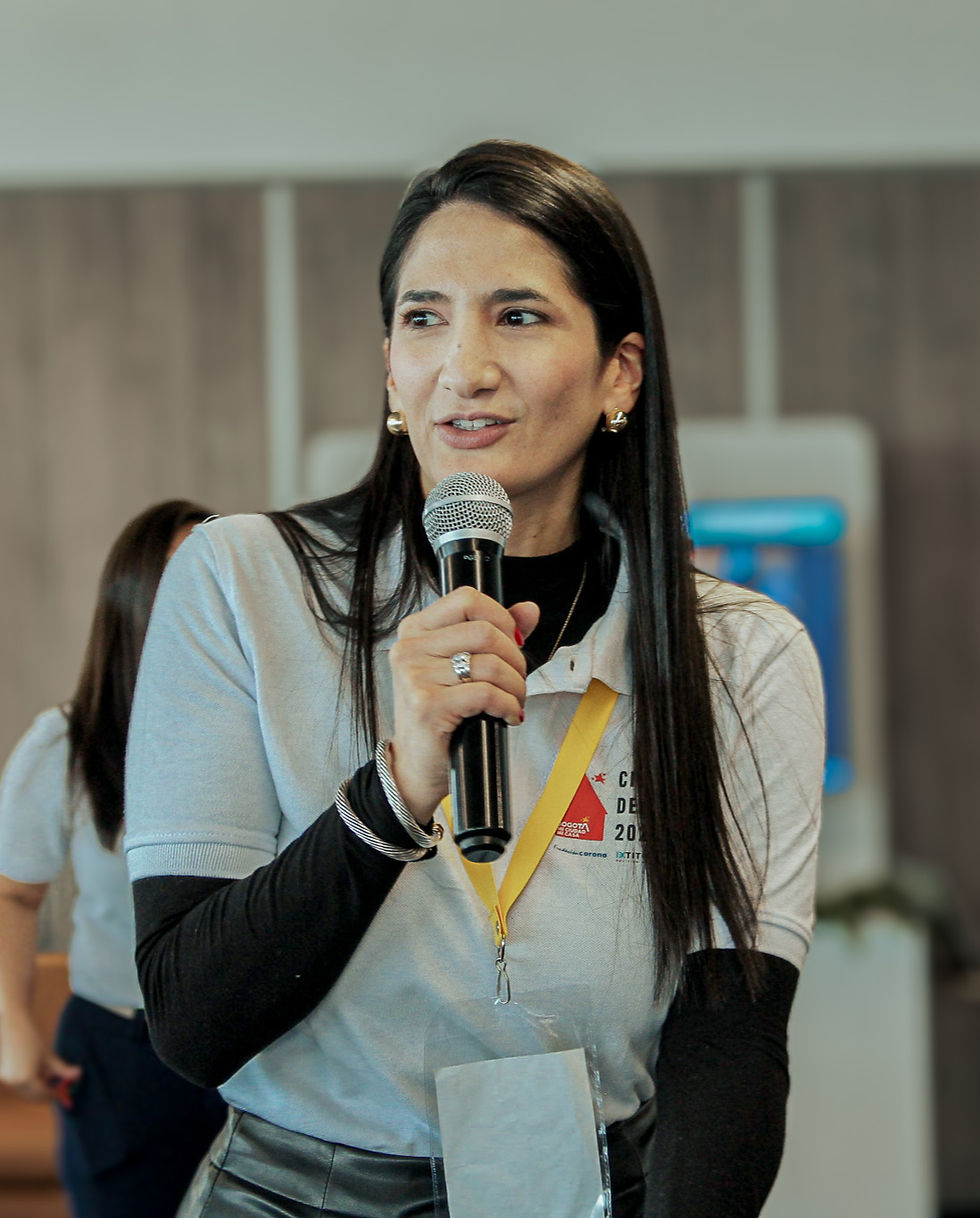
“One of the most important purposes of participation is ensuring that citizens’ proposals have a real impact and can be implemented through public institutions.” Diana Dajer, Participation Manager, Fundación Corona
Today, nearly 80% of these recommendations are either being implemented or are on track to be implemented, demonstrating the potential of participatory processes when they are effectively connected to public institutions.
Lessons from the Closing Event
This final gathering generated valuable insights on how to strengthen citizen participation processes:
🔄 Participation Needs Closure Understanding what happened to the proposals transforms the experience and strengthens trust.
📊 Impact Is Possible When there is effective coordination with public institutions, recommendations can move forward and become reality.
🤝 Shared Responsibility Is Activated The outcomes of deliberation extend beyond the discussion space and begin to influence everyday practices.
🌱 Change Happens on Multiple Levels It affects both institutional decision-making and individual behaviors.
Beyond the results themselves, the event highlighted how participation continues long after the formal process ends:

“Participation does not end with deliberation; it continues in homes, communities, and everyday actions.” Diana Dajer, Participation Manager, Fundación Corona
What Comes Next
At Fundación Corona, we believe that when participation works, it ceases to be a one-time event and becomes an ongoing process that builds trust, strengthens relationships, and creates new opportunities for collective action.
The challenge now is to continue consolidating these types of experiences: processes where dialogue translates into decisions, and where people find in participation a genuine pathway to transforming their communities.
That is where the opportunity lies—to make participation a sustained driver of change, connecting citizens with public decision-making and strengthening their ability to influence the future of the city.
Looking ahead, Bogotá is already preparing for a new edition. The 2026 Deliberative Cycles will once again open this participatory space, inviting residents to deliberate on a topic of high relevance for the city. Those interested will be able to pre-register and take part in this initiative, which seeks to further strengthen citizen engagement and the collective development of solutions.
👉 Learn more about this initiative and how to get involved in our initiatives section:

